

Helical Piles for Home Additions and Spot Footing Repairs

Helical piles for home additions are quickly becoming the go‑to solution for homeowners and contractors in Utah and Wyoming who want fast, reliable, and minimally disruptive foundation work. With GoliathTech Utah’s certified installation services, you can add rooms, extend living spaces, or renovate existing foundations without the headache of major excavation or long project delays.
Read on to find out why helical piles are such a smart choice for home additions and spot footing repairs. In this article we will learn:
What Are Helical Piles?
Why Helical Piles for Home Additions Make Sense
Helical Piles vs Traditional Concrete Foundations — Pros & Cons
When to Use Helical Piles for Home Additions or Spot Footing Repairs
Real‑World Benefits for Homeowners & Contractors

What Are Helical Piles?
Helical piles (also known as screw piles or helical piers) are heavy‑duty steel shafts with spiral blades welded along their length. These shafts are screwed deep into the ground using hydraulic torque equipment until they reach stable, load‑bearing soil or strata. Once installed, they provide a solid foundation for structures by transferring the load of the building down through unstable or shifting upper soils to deeper, stable layers.
In contrast to traditional poured‑concrete footings or foundation walls, helical piles do not require large holes, extensive excavation, or lengthy curing times. Their design makes them ideal for a wide range of projects, from decks and small additions up to full‑scale home extensions.
Why Helical Piles for Home Additions Make Sense
Minimal Disruption, Maximum Convenience
One of the biggest advantages of helical piles for home additions is how little they disturb the existing structure and landscaping. Because installation doesn’t require digging large trenches or hauling away soil, there’s far less risk of damaging yards, driveways, or gardens. For renovations or additions to an existing home, this means you avoid heavy demolition and keep interior finishes intact.
This “surgical” approach to foundation work is especially valuable when doing spot footing repairs or integrating new additions into older homes. With helical piles, you can often install supports under critical load points, like where a new room attaches, without tearing out entire sections of foundation or disrupting finished spaces.
Fast Installation & Immediate Load‑Bearing
Time is money, and for home additions, project delays are costly. Helical piles shine here: they can often be installed in just hours or a few days, depending on the scope, and provide immediate load‑bearing support. There’s no need to wait for concrete to cure, meaning construction of the addition can start right away.
For homeowners and contractors in climates with seasonal swings, like Utah’s cold winters and spring snowmelt, this also means fewer weather‑related delays. Helical piles can be installed year‑round with far less sensitivity to weather than traditional footings.
Versatility and Soil Adaptability
Not all properties have ideal soil. In many parts of Utah and Wyoming, soils may be expansive, clay-heavy, or otherwise unstable, problematic for shallow footings. Helical piles, however, are engineered precisely to bypass problematic topsoil layers and anchor deep into stable strata, making them an excellent choice for home additions, particularly on uneven terrain or properties with questionable soil stability.
Their ability to support both compressive and tensile loads also grants design flexibility, useful when adding extensions like sunrooms, garages, or extra bedrooms that may stress parts of the foundation differently than the original structure.
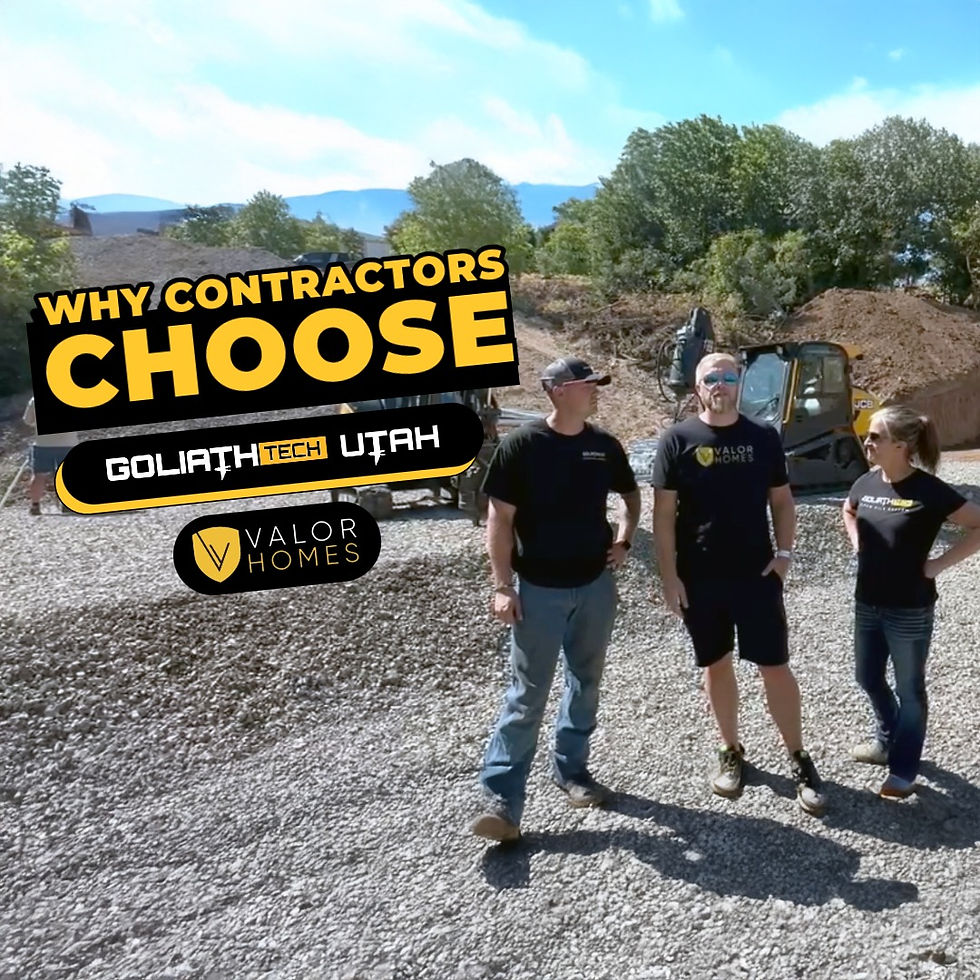
Watch our video as we explain how helical pile foundations are used on home additions.
Helical Piles vs Traditional Concrete Foundations — Pros & Cons
Aspect | Helical Piles | Traditional Concrete Footings |
Installation Speed | Fast — often same day or within hours; no curing required. | Slower — excavation, pour, and curing can take days or weeks. |
Site Disruption | Minimal — no massive digging or soil removal, less damage to landscaping. | High — extensive excavation and potential landscape damage. |
Weather / Seasonal Flexibility | Can be installed year‑round, less impacted by cold or rain. | Weather‑sensitive — freezing or rain can delay concrete work. |
Soil & Ground Conditions | Works well in soft, loose, or expansive soils; less risk of shifting. | Best on stable, firm soils; soil issues may cause cracking or settling over time. |
Load Capacity & Versatility | Supports vertical and lateral loads; suitable for varied additions and repairs. | Often limited to vertical loads; less flexible for irregular or heavy structural loads. |
Up‑front Cost | Slightly higher per‑unit cost; but savings through less labor, faster install. | Often lower material cost; but extra labor, logistics, and longer timeline increase total cost. |
Long-Term Stability & Maintenance | Durable, resistant to soil movement, less likely to require repairs. | Risk of cracking, settling, or moisture issues over time — may require upkeep. |
Bottom line: For home additions and spot footing repairs — especially in challenging soil or weather conditions — helical piles often offer a more efficient, stable, and cost-effective solution compared to traditional concrete footings.
When to Use Helical Piles for Home Additions or Spot Footing Repairs
You’re building a home addition: sunroom, extra bedroom, garage, basement extension, or any structural expansion. In these cases, helical piles can support the load of new framing without requiring a full foundation wall.
You want to reinforce or repair an existing foundation. e.g., when footings are failing, soils have shifted, or there’s uneven settling. Instead of gutting the foundation, you can install helical piles under load-bearing areas to stabilize the structure.
The soil on the property is unsuitable for shallow footings, soft, expansive, clay-rich, or prone to shifting. Helical piles reach deeper, more stable layers for reliable support.
You want minimal disruption to landscaping, interior finish, or existing structure, especially helpful in renovation projects or when working around finished homes.
You need a fast turnaround, whether because of weather constraints, tight schedules, or to reduce time before you can start building the new addition.
See it in action!
Real‑World Benefits for Homeowners & Contractors
Time savings: Many projects that would take weeks with concrete foundations can be completed in days with helical piles.
Cost‑effectiveness over the long run: While initial cost per pile may be higher, reduced labor, no need for concrete curing, and fewer weather delays often make helical piles more economical overall.
Structural reliability: Because piles are anchored deep, they resist shifting, settling, and soil movement, ideal for homes in areas with variable soil or freeze/thaw cycles.
Environmental and site‑friendly: Less excavation, fewer spoil materials, and minimal disruption to landscaping or existing surroundings.
Flexibility for future changes: Helical piles can even be removed or reused if future structural modifications occur, something traditional concrete can’t offer.
Considerations & When Helical Piles May Not Be Ideal
Initial cost and equipment requirements: Helical piles use specialized equipment and certified installers, not a DIY job.
Soil/terrain limitations: Extremely rocky terrain, bedrock near the surface, or soils with large rock content may make screw pile installation difficult or impractical.
Load and design evaluation needed: For heavy or unusually shaped additions, a proper geotechnical assessment and structural design are required to ensure the piles will support the load.
Less ideal when a basement or full foundation wall is needed: If the addition requires a full basement or foundation walls, traditional poured concrete may still be the better approach, or a hybrid solution with piles plus concrete footings.

How to Work With GoliathTech Utah for Helical Piles
If you’re considering helical piles for home additions or spot footing repairs, choosing a certified installer makes all the difference. Here at GoliathTech Utah, we specialize in helical screw‑pile foundations, offering rapid installation, minimal site disruption, and long‑lasting stability across a variety of soil conditions.
Whether you’re adding a sunroom, expanding your living space, building a garage, or reinforcing an older foundation, including us in the early planning process ensures a smooth overall build. Our team of experts evaluates soil, determines load requirements, and installs piles precisely where needed, letting you begin construction soon after installation without waiting for curing or dealing with heavy excavation.
If you want to learn more about how we handle home additions and spot footings, you can check out our home addition foundation solutions here: GoliathTech Utah – Home Addition Foundation on Helical Screw Piles.
Frequently Asked Questions About Helical Piles for Home Additions
Q: What are “helical piles”?
A: Helical piles — also called screw piles or helical piers, are steel shafts with spiral blades that are screwed deep into the ground. They transfer structural loads from a building down through unstable or shifting surface soils into stable, load-bearing soil layers. They are used as replacements for concrete foundations.
Q: Can helical piles be used for home additions without major demolition or excavation?
A: Yes. One of the biggest advantages of helical piles is minimal site disruption. With small equipment and no need for large-scale digging, they’re ideal for additions where you want to preserve interiors, landscaping, or avoid tearing out existing foundations.
Q: How soon can I start building on top of helical piles?
A: Immediately. Unlike concrete footings that need time to cure, helical piles provide load-bearing support as soon as they’re installed. This allows framing or flooring to start right away.
Q: Are helical piles more expensive than traditional concrete foundations?
A: Per unit, yes, but when you factor in reduced labor, no need for excavation or concrete curing, less landscaping repair, and faster project timelines, they often prove more cost-effective over the full project lifecycle.
Q: When might helical piles not be the best choice?
A: They may be less practical on extremely rocky terrain or where bedrock is shallow. Also, if your addition requires a full basement or foundation walls rather than just a slab or footing, traditional concrete foundations (or a hybrid approach) might be more suitable.
Q: Are helical piles environmentally friendly compared to concrete foundations?
A: Generally yes. They require less excavation, reduce soil displacement, avoid large concrete pours (and thus much of the associated carbon footprint), and often involve smaller, less disruptive machinery, making them a greener, more sustainable foundation option.
Conclusion
For homeowners and contractors in Utah and the Mountain West region, helical piles for home additions offer a smart, efficient, and long-lasting foundation solution — particularly when expanding or renovating existing structures. With rapid installation, minimal site disruption, soil adaptability, and immediate load-bearing capacity, helical piles are often superior to traditional concrete footings for additions, spot footing repairs, or underpinning projects.
If you're considering expanding your home, whether a sunroom, extra bedroom, or garage; or reinforcing an older foundation, working with professionals like GoliathTech Utah ensures the job is done quickly, precisely, and built to last.
Comments